

ERROR
To best access our work, please return to one of the following pages:
Thank you!
Incident Debrief︱Ripple Effects of the Charlie Kirk Assassination in the Canadian Information Ecosystem
The Charlie Kirk assassination resulted in an apparent surge of highly charged and polarized online conversations, disinformation and calls for political violence and retribution in the American but also in the Canadian information environment. The Canadian Digital Media Research Network responded to this event with an incident notification, launching an investigation that produced eight incident updates. We conclude our investigation with this debrief.
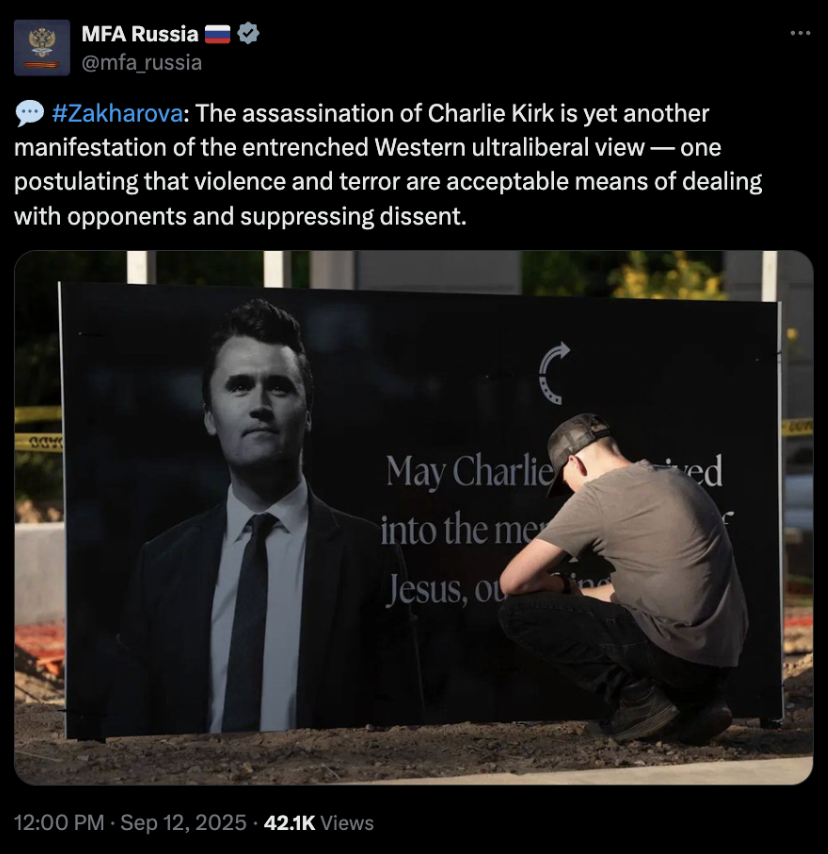
Incident Update 8︱Foreign State Creators’ Response to the Charlie Kirk Assassination
Recent years have seen growing recognition that foreign states exploit social and political crises in Western democracies to advance influence operations and exacerbate domestic polarization. A high-profile event such as the assassination of Charlie Kirk may have provided a key opportunity for state-affiliated outlets to produce and spread disinformation campaigns.
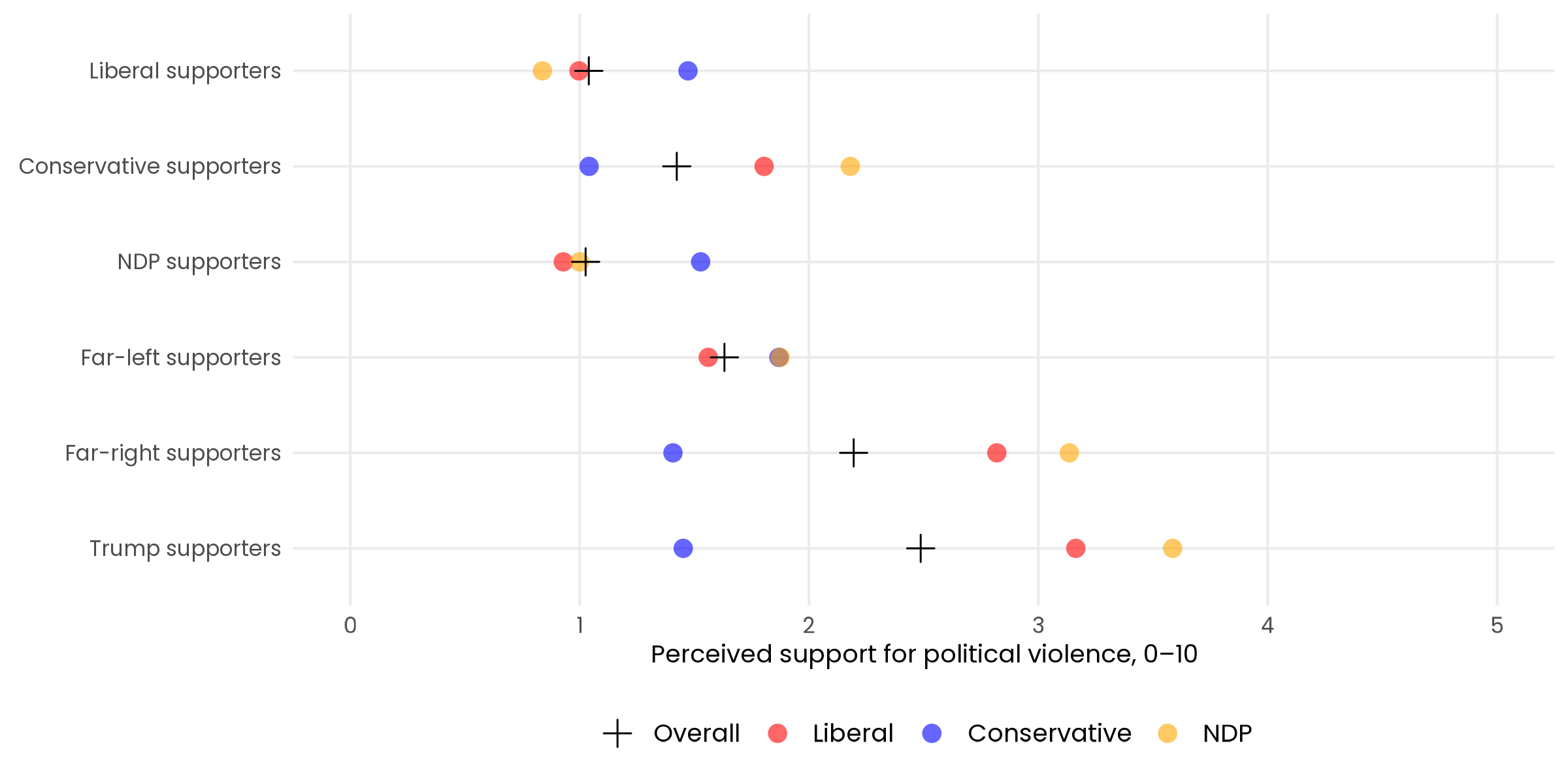
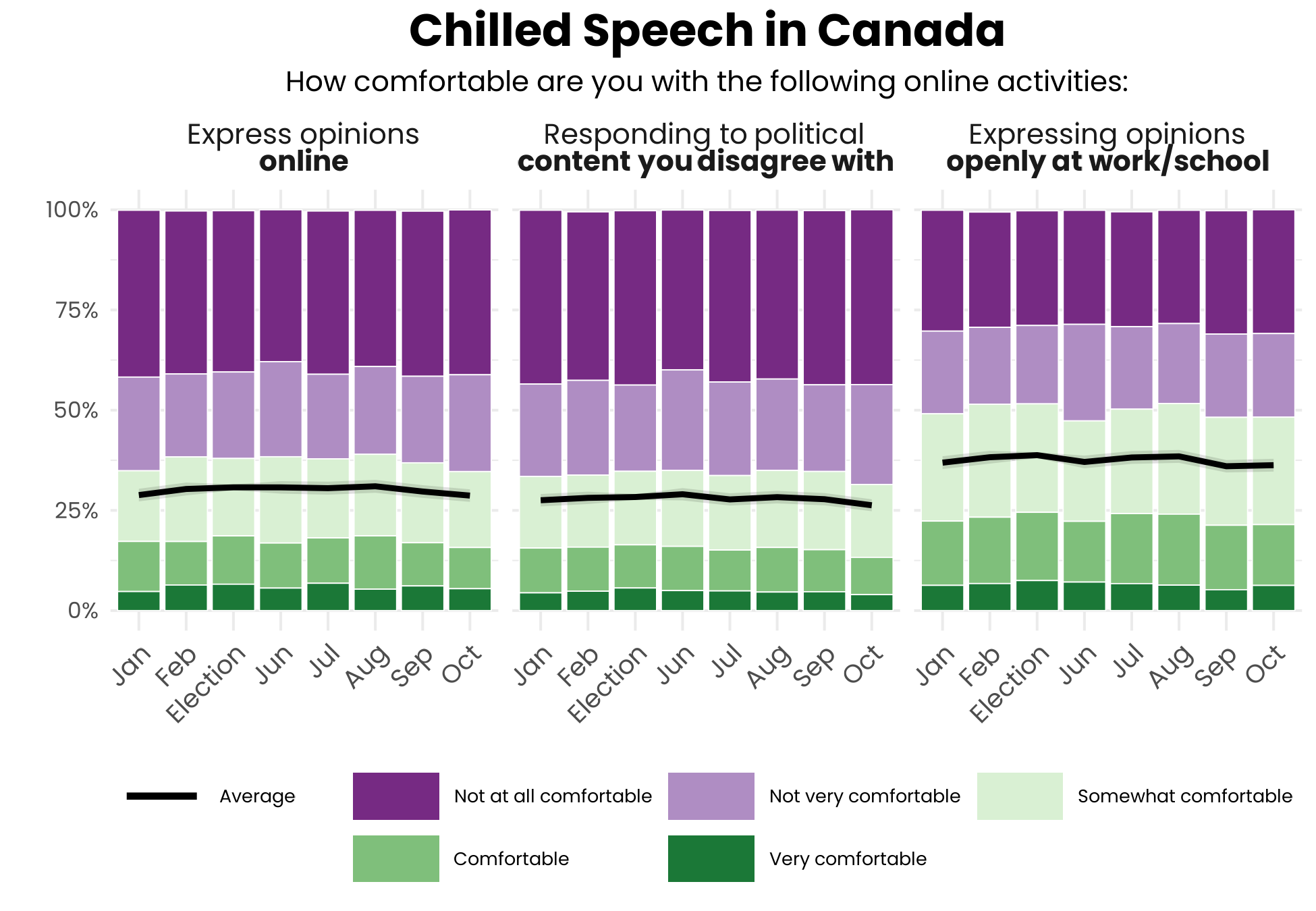
Incident Update 7︱Canadians’ Views on Political Violence and Freedom of Expression: Reality, Risks, and Misperceptions
Polarization is rising in both Canada and the United States. People are becoming increasingly resentful of people they disagree with politically, a phenomenon known as affective polarization. At the same time, acts of political violence have been on the rise in the United States, leading to concerns this trend could spill over to Canada.
Incident Update 6︱Canadians’ Awareness, Beliefs, and Reactions to the Charlie Kirk Shooting
The assassination of U.S. political commentator Charlie Kirk sparked widespread discussion and elicited polarized reactions worldwide, raising questions about the nature of the information Canadians were exposed to and how such information affected public understanding and social cohesion.
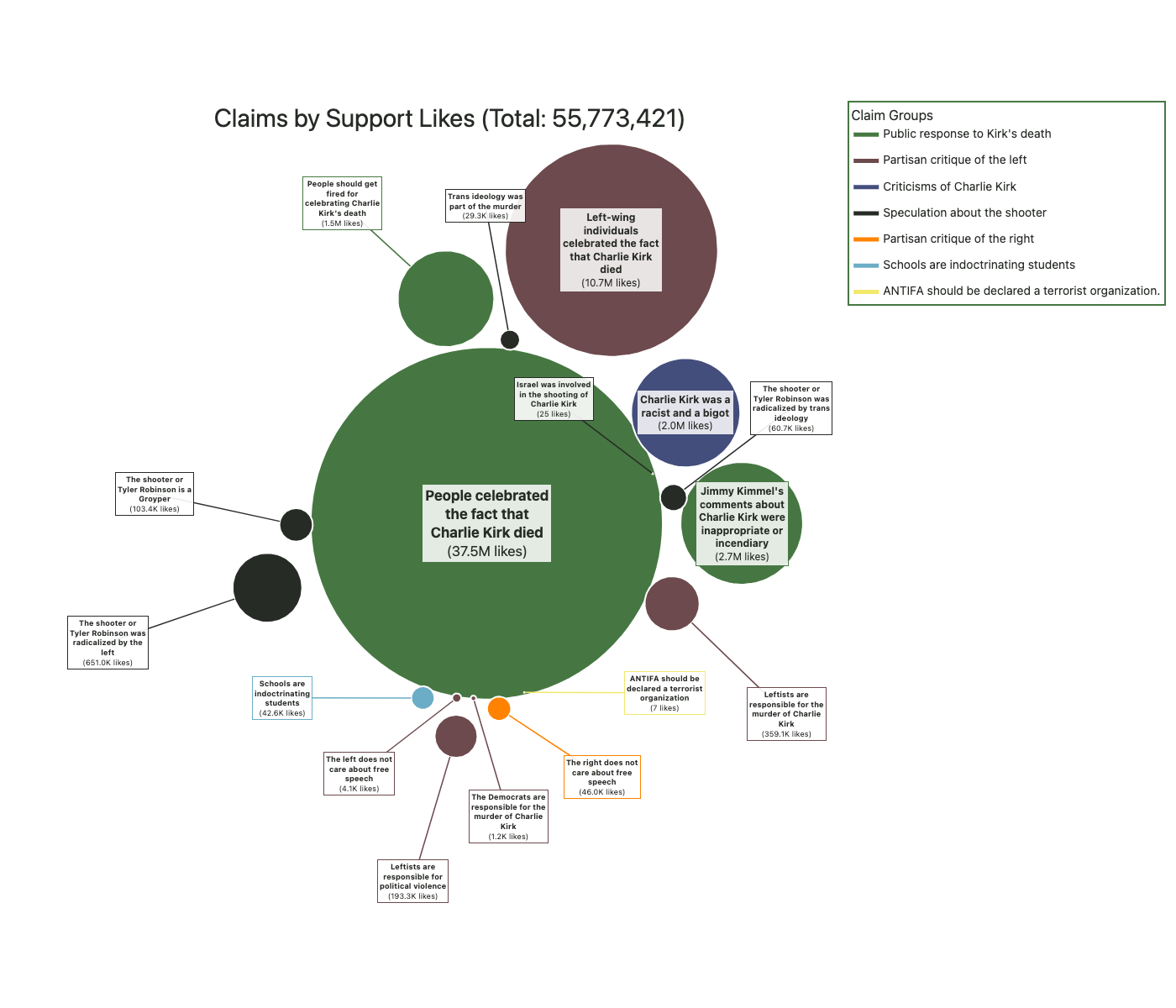
Incident Update 5︱Mapping Controversial and Polarized Claims Following the Assassination of Charlie Kirk
In this update, we aim to explore how polarized the conversation was following Kirk’s death by identifying the most popular claims made following his assassination and evaluating the extent these claims were agreed with (supported), disagreed with (refuted) or its themes discussed (other).
Incident Update 4︱Shockwaves on TikTok: Understanding the international reaction to the assassination of Charlie Kirk
The assassination of Charlie Kirk triggered a vast social media discussion both in the United States and internationally. As the U.S.’s polarized context appears to increasingly shape political debates abroad, this event provides a window into how online conversations unfold after instances of political violence, shedding light on both the transformation of existing tensions and the emergence of new ones.
Incident Update 3︱Shared anxiety, different lenses: Comparing Canadian and American perceptions of political violence
Charlie Kirk’s assassination, an act of political violence, intensified national debate about polarization and free speech. We examine public attitudes towards political violence, assessing whether the incident and ensuing debates are perceived by Canadians as a shared concern or a uniquely American issue.

Incident Update 2︱Online Shockwaves: Reactions to the Charlie Kirk Incident on X in Canada and Abroad
We evaluate how the death of Charlie Kirk, a prominent right-wing American commentator, has provoked widespread online debate. Controversy around the legacy of Kirk has sparked discussion around the increasing partisan divide, ideological polarization, and threats of political violence. That has spilled over into the Canadian information landscape.

Incident Update 1︱Kremlin Doppelgänger Tactics and the Exploitation of the Charlie Kirk Murder
With high confidence, it appears that though the Kremlin has exploited Kirk’s death as part of its information warfare strategy, employing tactics outlined in the FBI’s Doppelgänger affidavit.

Information Incident Notification: Ripple Effects of the Charlie Kirk Assassination in the Canadian Information Ecosystem
The assassination of Charlie Kirk has been followed by a massive amount of polarized online discussions in the Canadian information ecosystem, fuelling disinformation, partisan conflict, and mobilization exposing the risk of targeted and/or large scale unrest and physical harm.