
Incident Update 6︱Canadians’ Awareness, Beliefs, and Reactions to the Charlie Kirk Shooting
Authors & Organization
Mathieu Lavigne, Chris Ross
Organization: Media Ecosystem Observatory
Key takeaways
The assassination transformed Charlie Kirk from a well-known internet figure to a widespread household name: Prior to his assassination, 1 in 4 (28% of Canadians were familiar with who Charlie Kirk was, but almost all Canadians (88%) reported hearing about his death. Of those, nearly half (46%) identified social media as the largest source of information and discussions about the incident, with 67% of young Canadians aged 18-34 primarily hearing about his assassination from social media.
Extreme reactions were overrepresented online: More Canadians felt sadness and grief, condemned political violence, or expressed societal concern than they recalled seeing online. Meanwhile, happiness and outrage were more frequently seen online compared to how many Canadians personally felt those emotions.
Most of the information Canadians flagged as false focused on the shooter’s identity and motives, as well as Charlie Kirk’s legacy: Around a third (35%) of Canadians reported being exposed to false information about Charlie Kirk’s death. False information they identified primarily concerned the shooter’s identity and motives (39%), including his association with left ideology or the MAGA movement, and conflicting partisan interpretations of Kirk’s stances and character (19%).
Indicators of partisan polarization and chilled speech in Canada have remained stable over the course of 2025: Partisan Canadians continue to express strong dislike toward opposing parties, and many Canadians remain uncomfortable sharing their political views online. However, our data show no evidence that these patterns intensified due to the assassination or other events in 2025.
Introduction
Context
The assassination of U.S. political commentator Charlie Kirk sparked widespread discussion and elicited polarized reactions worldwide, raising questions about the nature of the information Canadians were exposed to and how such information affected public understanding and social cohesion.
In Updates 2, 4, and 5, we identify the key narratives and reactions that circulated on X and TikTok around Charlie Kirk’s assassination globally and in Canada. We found that the online environment was characterized by important divisions about the causes of political violence, the identity and motives of the killer, Charlie Kirk’s legacy, and free speech. The nature of Canadian discussions paralleled that of the U.S., but their scope and visibility were comparatively less.
This update expands on these findings by evaluating the online information environment following Charlie Kirk’s death through the eyes of a representative sample of Canadians. More specifically, we assess how widely Canadians heard about the incident and through which sources, the type of reactions and narratives they encountered online, and how these compare with their own feelings and perceptions, in order to help understand the interaction between the online information environment and Canadians’ own perceptions of the event.
Key questions
This incident update is particularly interested in evaluating the type of information that Canadians were exposed to and believed in regarding the Charlie Kirk assassination. We specifically focus on the following four questions:
How familiar were Canadians with Charlie Kirk, and to what extent did they hear about his assassination?
What emotions did the incident elicit among Canadians, and what emotions did they encounter or perceive in online discussions?
Which claims about the incident did Canadians encounter and consider false or misleading?
Have levels of partisan polarization and chilled speech in Canada increased since the beginning of 2025?
Approach and Considerations
This update primarily draws on data from an original survey conducted with a nationally representative sample of 1,459 Canadians between October 30 and November 7, 2025. Data is weighted by gender, age, and region according to the 2021 Census.
To measure affective polarization in the last section, we drew upon tracking survey data conducted monthly by the CDMRN from January to October 2025, including our election tracking survey fielded daily throughout the 2025 federal election. Each monthly survey includes 1400-1500 respondents and the election survey includes approximately 7,000 respondents from the campaign period.
1. How familiar were Canadians with Charlie Kirk, and to what extent have they heard about his assassination?
Before his death, Charlie Kirk was known to a sizable minority of Canadians. As shown in Figure 1, 28% of Canadians knew who he was, and another 20% found his name familiar, while nearly half (49%) had never heard of him. There were modest partisan differences: Conservative supporters were somewhat more familiar with him (37%) than New Democrats (32%) or Liberals (26%). Younger Canadians stand out as the most likely to know who he was: 44% of those aged 18-34 knew who he was, compared with 25% of those aged 35-54 and 20% of those aged 55 and older.
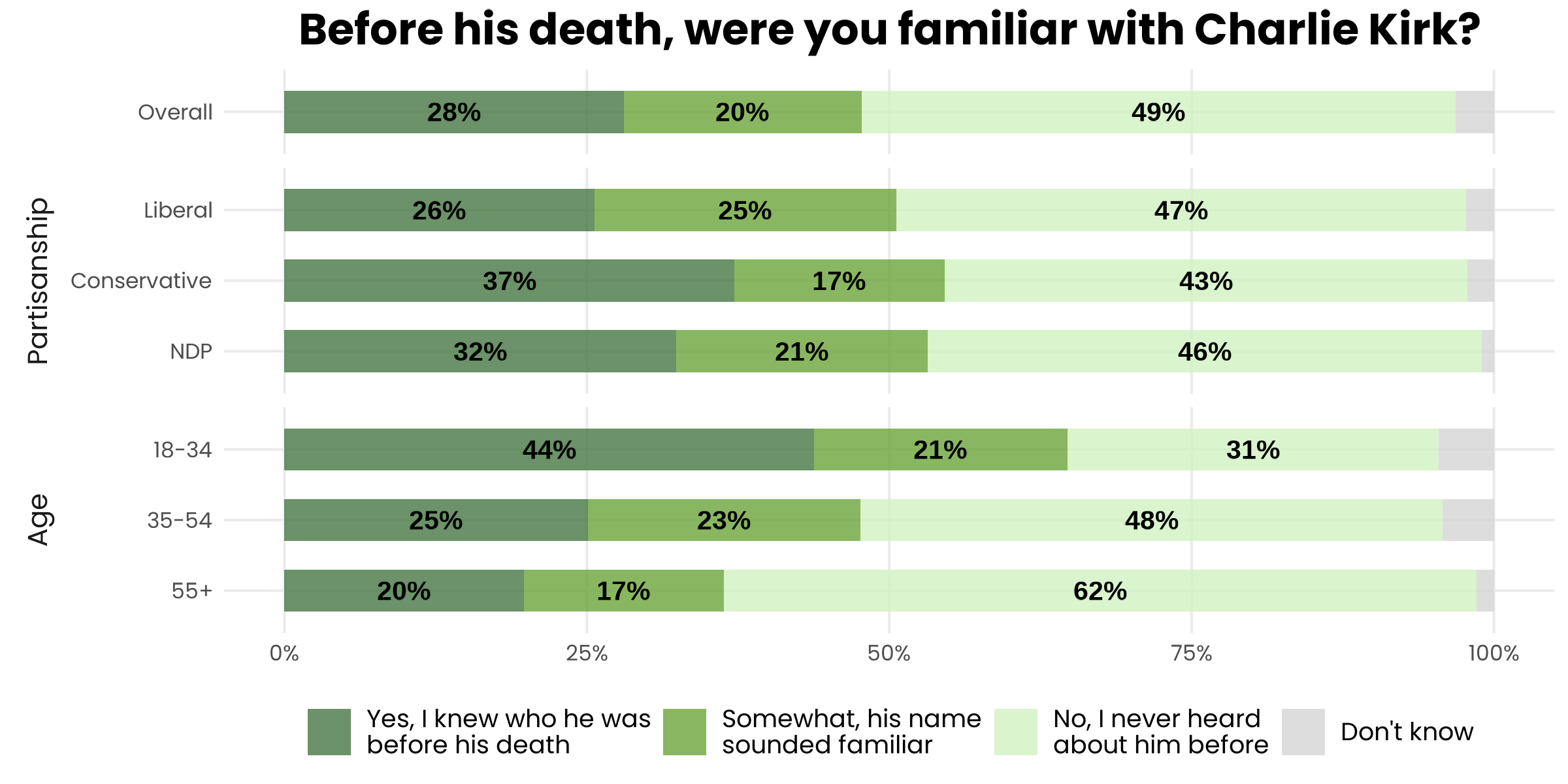
Figure 1. Canadians’ awareness of Charlie Kirk before his death by partisanship and age
Although relatively few Canadians knew of Charlie Kirk prior to his death, news of his death received widespread attention, with 88% reporting awareness of it. As a reference, 95% had heard about Donald Trump’s assassination attempt in July 2024.
As Figure 2 illustrates, the incident received the most attention on social media, with nearly half of Canadians (46%) saying they experienced the most discussion there. In comparison, 28% said they primarily encountered discussion on television, 12% on news websites, and 9% through friends and family. The source of information exposure about the incident was strongly influenced by age: Canadians aged 18-34 were significantly more likely to hear about it on social media (67% compared to 24% among those aged 55 or older), while Canadians aged 55 or older were more likely to hear about it on television (47% compared to 8% among those aged 18-34).
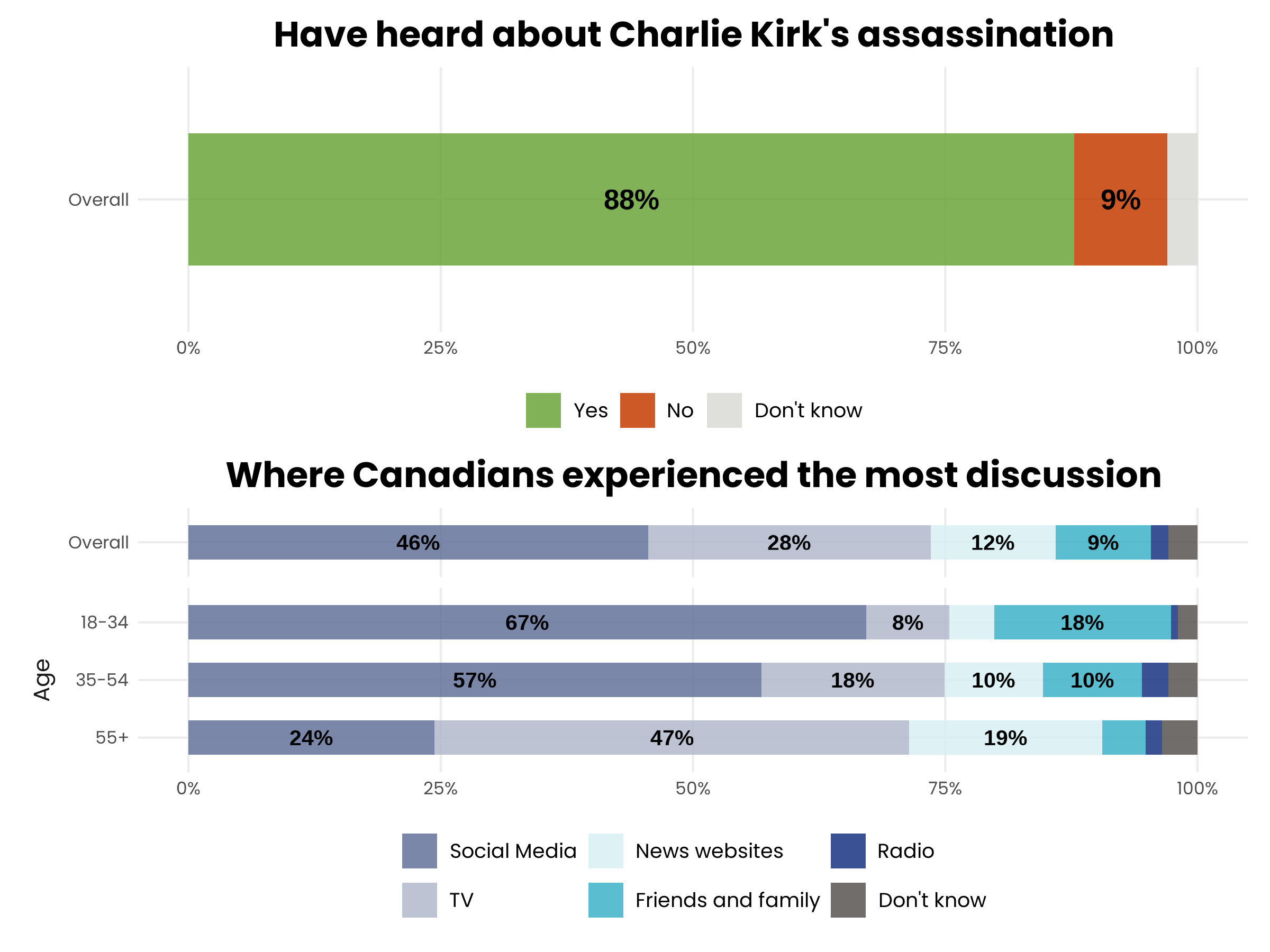
Figure 2. Canadians’ awareness of the Charlie Kirk assassination and where they encountered discussion about it
In sum, while Charlie Kirk had some degree of online visibility in Canada prior to his death, particularly among younger generations, news of his assassination reached nearly all Canadians, and social media quickly emerged as the central space for public conversation about the event.
2. What emotions did the incident elicit among Canadians, and what emotions did they encounter or perceive in online discussions?
To evaluate potential disconnects between online discourse and Canadians’ own personal feelings, we asked respondents to report, in open-ended responses, the emotions they personally felt upon hearing about Charlie Kirk’s assassination (n=1,456), as well as the main emotions they observed in online discussions (n=1,454). A human coder and Claude Haiku 4.5 independently reviewed all responses to extract the most frequently mentioned emotional reactions, producing very similar results. We reconciled the outputs to form 14 categories based on three criteria: distinctiveness, comprehensiveness, and comparability between personal and online reactions. Finally, we used Claude Haiku 4.5 to code each response for the presence of these 14 reactions, allowing multiple reactions per response. For example, the following response was coded as “Yes” across three categories: “Sadness and grief,” “Condemnation of violence,” and “Societal concern.”
I was saddened by his death, not because he was a politician but because of his family left behind. People shouldn’t be killed for doing their job, just like a doctor shouldn’t be killed for doing his job, or a teacher etc. the world is a very scary place.
Open-ended response to survey question asking what emotions they experience when they heard about Charlie Kirk’s assassination
As shown in Figure 3, the primary emotion experienced by Canadians who heard about the assassination was sadness and grief (including sympathy for the family) (32%). About a quarter of respondents indicated that they didn’t feel anything (23% reporting indifference or no emotion), many of whom specified they were unmoved because they didn’t know who he was before his death. The third most commonly mentioned reactions involved condemnation of violence, and anger, disgust and outrage (both at 19%). A notable percentage of Canadians also expressed shock or disbelief (16%) and fear or concern for the state of (American) society and democracy (15%).
In contrast to the broad range of personal emotions expressed by our respondents, respondents recalled primarily extreme reactions in online conversations. Emotional reactions such as condemnation of violence, societal concern, and fear were rarely identified as common online reactions compared with how often Canadians personally felt them (4% vs. 19% for condemnation of violence; 7% vs. 15% for societal concern). Conversely, 29% of respondents identified anger, disgust, or outrage as prominent reactions online, yet only 19% personally experienced these emotions. Similarly, 15% reported seeing happiness or relief in online discussions, while just 5% felt these emotions themselves. These gaps likely result from a combination of factors: individuals with stronger views are likely to be more vocal and visible in online spaces; content that generates strong reactions tends to receive more engagement and consequently be more amplified by algorithms; and Canadians’ were likely exposed to more emotionally charged reactions from U.S.-based users.
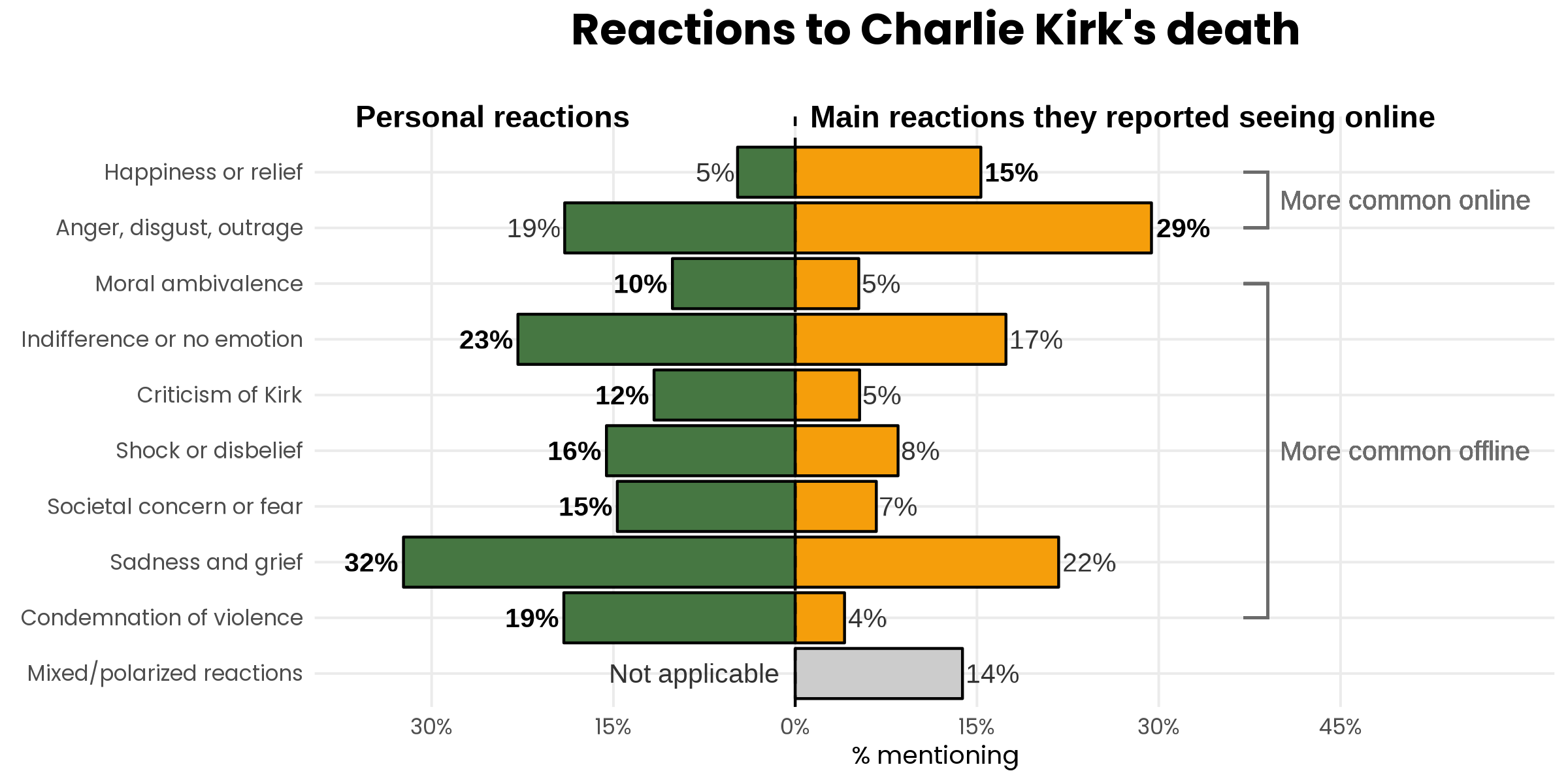
Figure 3. Reactions to Charlie Kirk’s death (focused on reactions reported by at least 5% of respondents)
3. Which claims about the incident did Canadians encounter and consider false?
Among Canadians who have heard about the shooting of Charlie Kirk, we evaluated the types of claims that Canadians were exposed to and perceived as false. 35% reported encountering information online they suspected was false or misleading (33% said they did not, and 32% were unsure). Those who reported exposure to false or misleading information were then asked to describe the content they had seen (n=435). We manually identified the most salient categories and classified these open-ended answers into four main categories, each containing subcategories:
Shooter identity and motives: Who is responsible for the death of Charlie Kirk and what their motivations were;
Event: How the event unfolded, whether Charlie Kirk is truly dead, and how the case has been handled;
Kirk and family: Information about Charlie Kirk and his wife (positions, legacy, reactions, etc.)
Criticism of information sources: The role of various information sources (e.g., the Trump administration, mainstream media, social media, generative AI) in the spread of misinformation about the shooting.
Figure 4 presents the share of respondents who identified each of these false or misleading claims in their open-ended responses. As shown, 39% mentioned claims about the shooter’s identity or motives. The most common claims included allegations that the shooter was from the “radical left” (8%); that the attack was carried out by the Trump administration, the MAGA movement, or someone close to Kirk (7%); that it was orchestrated by a foreign actor or Israel (3%); and that the shooter or his wife were transgender (1%).
Specific to the event, about one in five (18%) mentioned having seen false information about the assassination itself, including how the event unfolded (e.g., whether Kirk’s children were present) (8%), the theory that Kirk is not actually dead (7%), and how the case has been handled (e.g., the wrong shooter being arrested) (4%).
Related to Charlie Kirk and his family, 22% mentioned information related to Charlie Kirk (19%) or his wife (3%). Those sympathetic to Kirk often suggested that left-leaning Canadians were taking his quotes out of context to imply that he supported positions he did not. Conversely, many Canadians argued that the Trump administration and the political right more broadly were trying to whitewash his reputation or portray him as a saint or martyr.
Finally, Canadians criticized specific information sources for their role in spreading false information, especially the Trump administration and the DOJ (6%), AI-generated content (4%), the news (3%), and social media (2%).
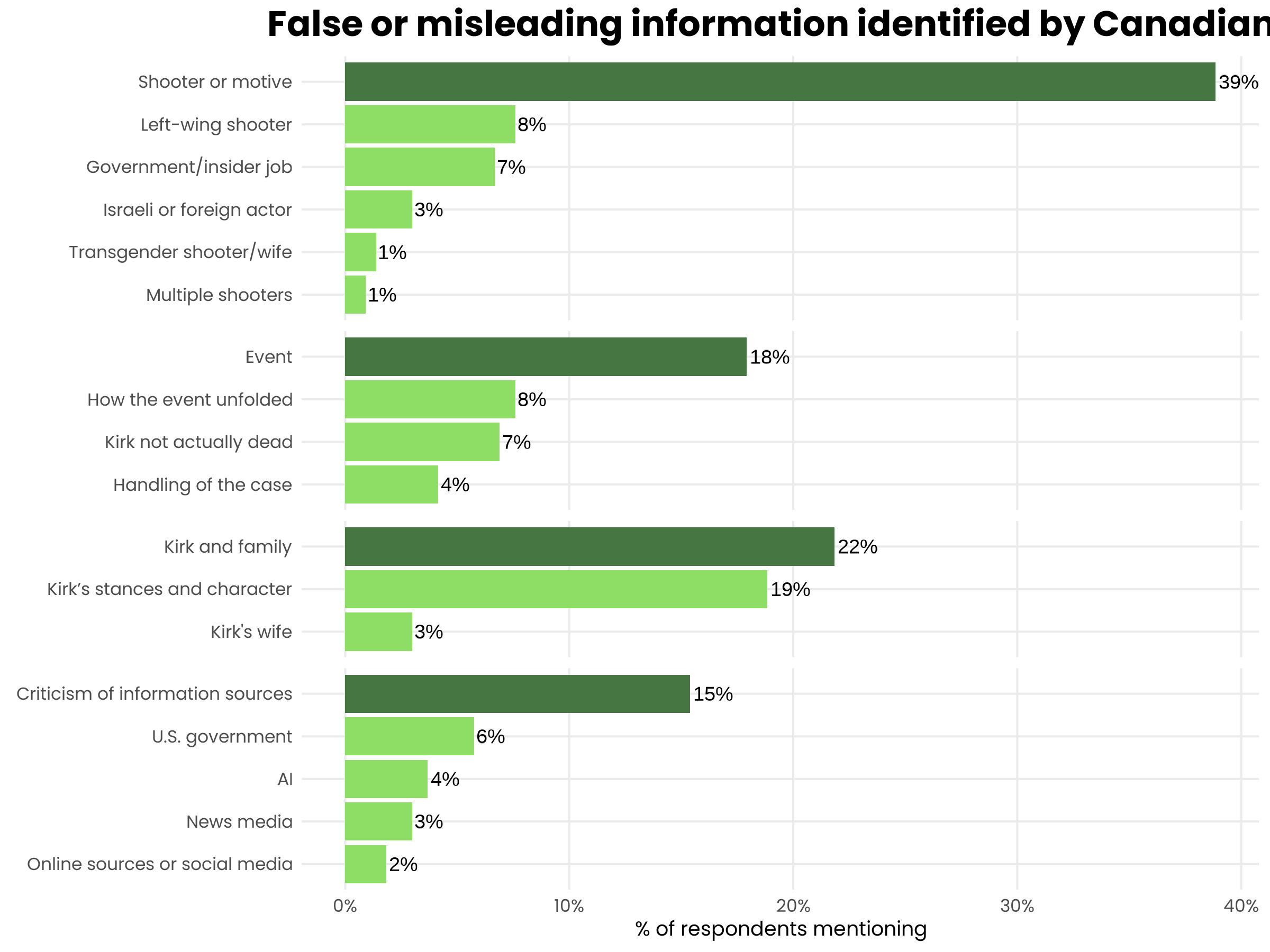
Figure 4. False or misleading information identified by Canadians (open-ended)
To evaluate how widely these claims were believed in Canada, we asked respondents how likely they considered various explanations for Charlie Kirk’s shooting. Canadians differ in which explanations for the assassination they find credible. As shown in Figure 5, a majority (69%) agree that the attack was politically motivated. About one in two Canadians indicated that it is “somewhat” or “very” likely that the attack was driven by online extremism and radicalisation (53%) or resulted mainly from mental health and personal issues (48%). Other narratives are believed by a small but visible minority of Canadians: 11% indicated that it is “somewhat” or “very” likely that the assassination was staged or faked, 14% believe it was coordinated or encouraged by foreign actors, and 25% believe it was part of a broader extremist plot involving multiple people. Notably, 14–25% of respondents selected ‘don’t know’ for each explanation, indicating high uncertainty about the cause or motive of the assassination among the Canadian public.
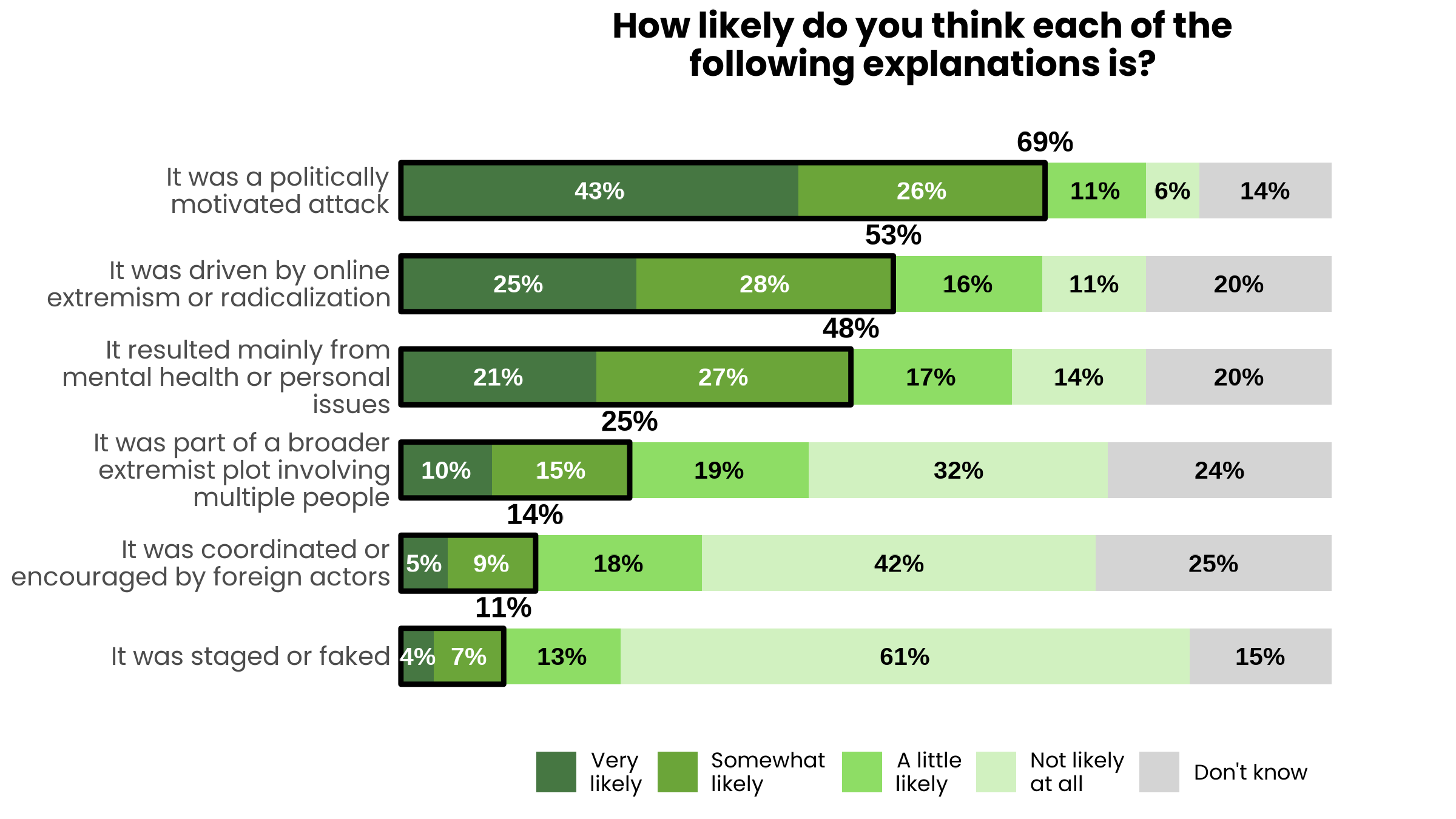
Figure 5. Canadians’ belief in different explanations for the Charlie Kirk shooting
4. Have levels of partisan polarization and chilled speech in Canada increased since the beginning of 2025?
Our previous updates show that online discussions around the incident were highly polarized (IU2, IU4) and that, in this polarized context, concerns around political violence may reduce citizens’ willingness to participate in the political conversation. In that context, we wanted to evaluate whether there had been any visible change in partisan polarization or chilled speech since the beginning of 2025.
Our monthly tracking survey measures Canadian attitudes towards political parties in Canada, a form of affective polarization. We ask respondents whether they like or dislike parties on a scale from 0 to 100. Figure 6 shows averages for these attitudes across the major partisan groupings in Canada since January 2025. As could be expected, Canadians tend to have more positive feelings towards the party they identify with, with an average favourability in the mid-70s to low-80s. Liberal and NDP supporters tend to have negative feelings towards the Conservatives (in the low-20s) and relatively neutral feelings towards one another (around 50 on the 0-100 scale). Conversely, Conservative Party supporters express negative feelings towards both the Liberal Party and NDP (in the 20s).
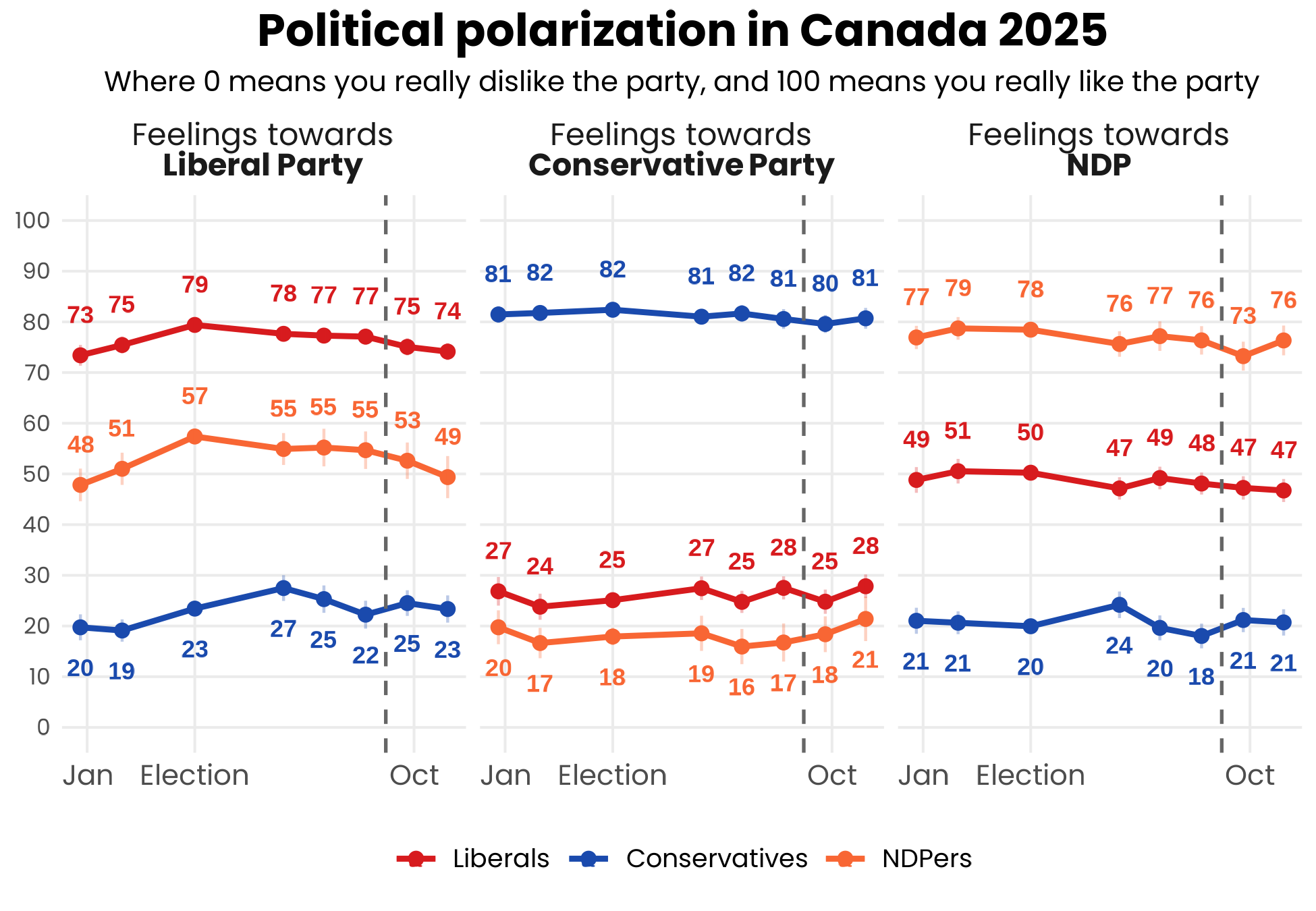
Figure 6. Affective polarization over time
Research has shown that this form of polarization*, that is to say the gap between in-group ratings and out-group ratings, has increased over time in Canada. Our tracking survey data show that although polarization remains high, it has been largely stable throughout 2025. The most notable movement is a slight improvement in feelings towards the Liberal Party following Mark Carney’s selection as a leader, which has gradually reversed.
Our tracking survey also evaluates how comfortable Canadians feel expressing their political opinions online, responding to political content they disagree with, and expressing their political opinion at work or at school. The results, reported in Figure 7, indicate that a majority of Canadians do not feel comfortable expressing their political opinion, with comfort being slightly higher offline than online. This discomfort, while concerning, has remained largely stable throughout 2025.
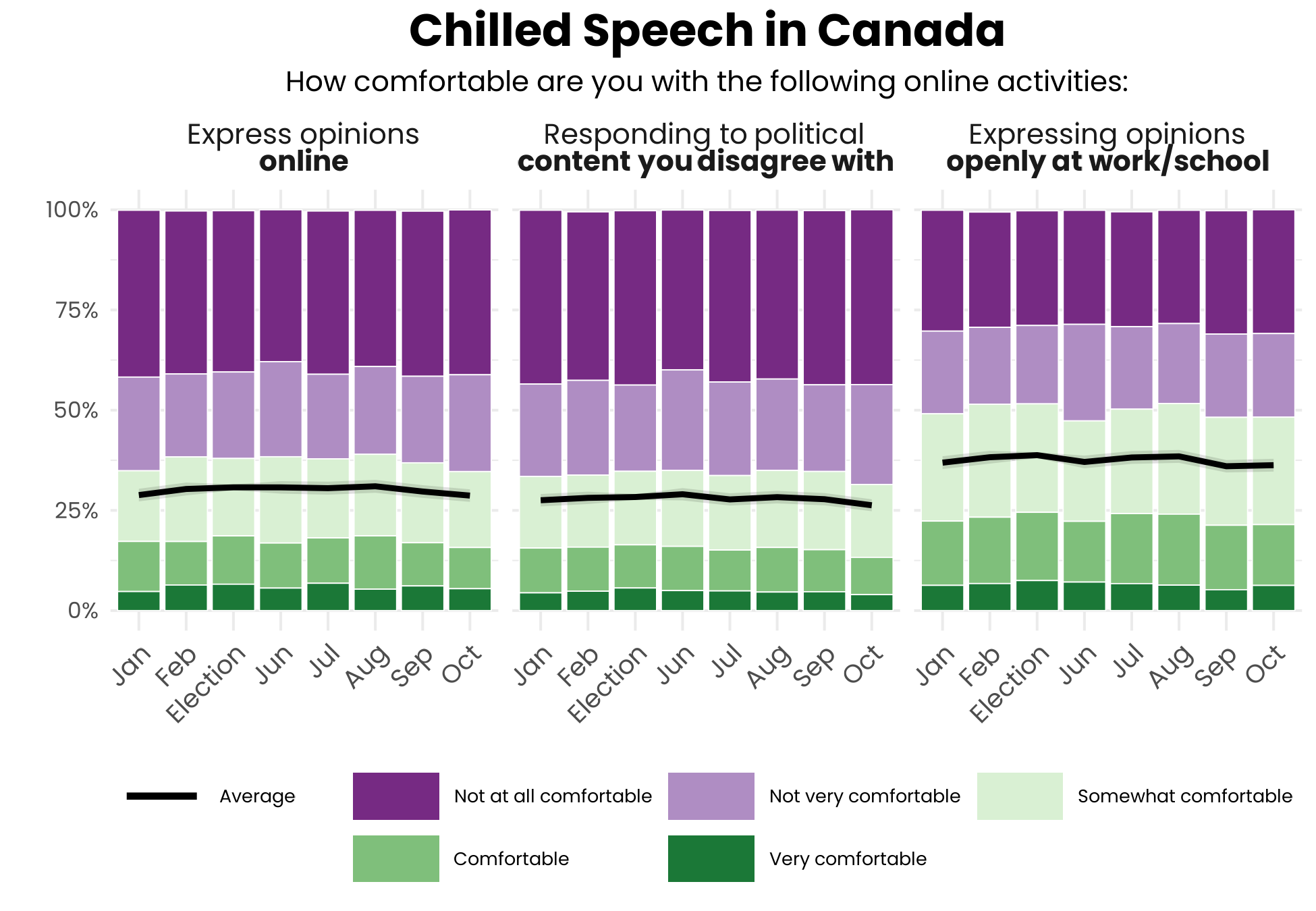
Figure 7. Comfort expressing political opinions online and offline over time
Conclusion
Our findings demonstrate that while Charlie Kirk was only known by a minority of Canadians, almost all of them have heard about his assassination. Canadians encountered the most discussion about the incident on social media, where the most contentious reactions were significantly more intense and polarized than the emotions Canadians reported feeling themselves. About a third of Canadians believe they were exposed to false or misleading information about the assassination, and primarily name the shooter’s identity and motives, together with claims about Charlie Kirk’s positions and character, among the false information they encountered. When asked whether they believe in different narratives about the incident, a majority of Canadians agree that the assassination was politically motivated and driven by online extremism, while narratives around foreign involvement or the attack being staged or faked were only believed by a minority of Canadians (11-14%). Given the nature of online discussions around the assassination and concerns around citizens’ unwillingness to participate politically in a polarized information environment, we analyzed the evolution of partisan polarization and chilled speech since the beginning of 2025. We found that Canadians generally have very negative views towards parties on the other side of the political spectrum and do not feel comfortable posting their opinions online, but that these trends have not intensified in 2025. Overall, the results show that while online conversations around Charlie Kirk grew highly charged, Canadians' personal views remained more measured, illustrating the importance of distinguishing digital conversations from the attitudes of the broader Canadian public.
*There is a minor difference in our measure compared to the linked so, while Canadians encountered polarized discourse online, it did not translate into meaningful changes in how they generally view one another. We measure attitudes towards the actual political party whereas Merkley uses the common method of measuring attitudes towards members of said party. These values are generally highly correlated.